Interior Painting in Toronto
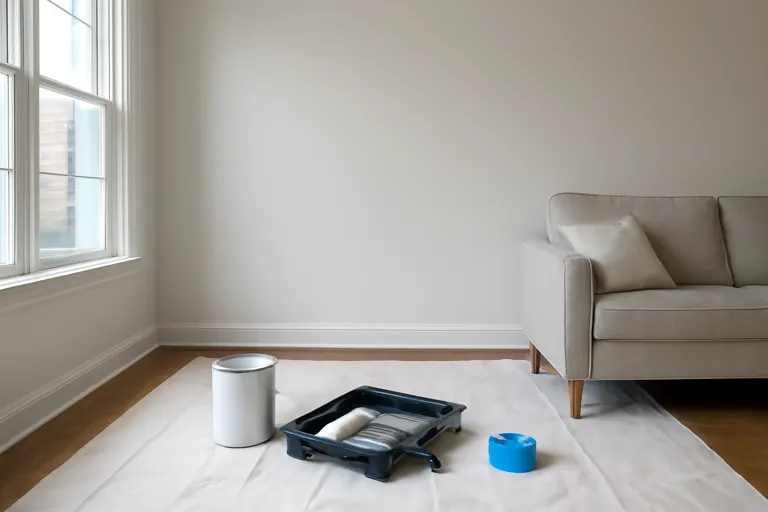
There's a reason painters in Toronto ask how old the building is before anything else. A 1905 semi in the Annex means plaster with hairline cracks, layers of oil paint on the trim, and a real chance of lead in the older coats; a five-year-old tower suite at Yonge and Eglinton means builder-grade flat that scuffs if you look at it, over smooth drywall.
Prep is where the two jobs diverge: crack repair, deglossing and priming in the century home; filling anchor holes and cutting clean lines against bare concrete ceilings in the condo. Tell us the rooms, ceiling heights and the building's rough age, and we'll price it as a free quote.
Interior Painting in Toronto: what to expect
Two Toronto specifics change how we paint. First, homes built before the 1960s often carry lead in the lower paint layers, so sanding on trim and doors is done with lead-safe practices — wet methods, containment, careful cleanup — rather than dry-sanding dust through your house. Second, many century ceilings were originally finished in calcimine, which sheds modern paint in sheets unless it is washed and sealed with the right binding primer first; it's a known plague in Toronto's Victorian stock and the reason 'the ceiling paint just peeled off again' is such a common call from Riverdale and Parkdale.
About Toronto homes
Toronto's housing runs the full range: Victorian and Edwardian semis in Cabbagetown, Riverdale and Trinity Bellwoods, century rowhouses downtown, post-war strips further out, and tens of thousands of condo units in towers from CityPlace to Yonge and Eglinton. In the older neighbourhoods you're dealing with plaster-and-lath walls, settled foundations, doors that no longer square up, and original double-hung windows that need weatherstripping rather than replacement. In the towers, the jobs are smaller but the logistics matter — booking the elevator, working within condo-board rules for in-suite work, and knowing which walls you can actually anchor into.
More on the local housing stock: handyman services in Toronto.
What affects the cost of interior painting in Toronto
No two Toronto homes are the same, so instead of a flat price, here's what actually shapes a interior painting quote:
- Wall condition — a smooth wall in good paint rolls fast; one covered in anchor holes, tape scars and stains needs real prep time before any colour goes on
- Colour change depth — going from dark red to off-white takes primer plus extra coats, while a like-for-like refresh may cover in two
- Ceiling height and stairwells — anything above standard reach means ladders, planks and slower, more careful cutting
- The era of the home — Toronto has a wide mix, and a 1960s build and a recent build can need quite different work for the same job.
- Trim and doors — brushed enamel work on baseboards, casings and doors is slower per metre than rolling walls, and doors need dry time between sides
- Occupied versus empty — an empty condo can be painted assembly-line style; a furnished family home means moving, covering and working room by room
- Building rules for condos — booked elevators, permitted work hours and corridor protection all shape the schedule
For the full breakdown of what the job involves, see interior painting in Toronto and the GTA, or read how handyman pricing works in the GTA — then request a free Toronto quote for your actual job (how quoting works).
Interior Painting in Toronto: common questions
Why does paint keep peeling off the ceiling of my century Toronto house?
Can you paint over oil-based paint?
Do you move furniture and cover floors?
Get your Toronto quote
Tell us what your home needs — a small fix or a full project — and get a free quote.