Deck Repair in Pickering
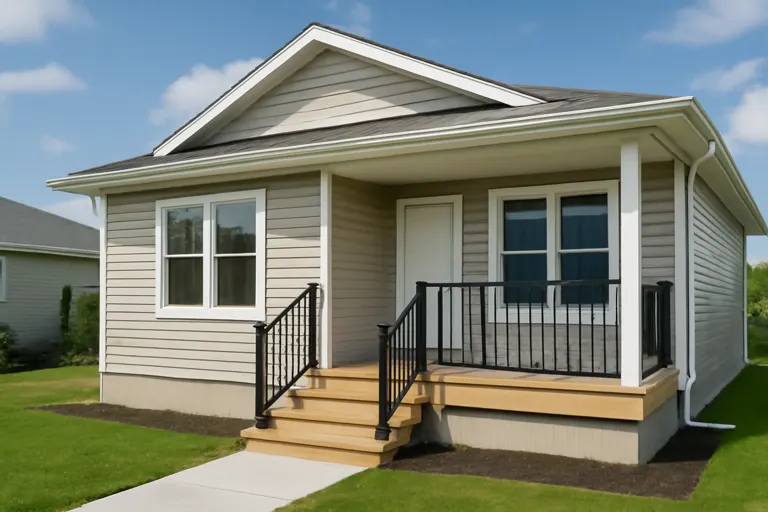
Decks built along with the Liverpool and Highbush subdivisions in the 1980s and 90s are now thirty-plus years old, and the posts usually fail before the boards do — rot at grade, heaved footings from Pickering's clay, connections done to a code that has since moved on. A deck can look fine from the patio door and be soft where it counts.
Repair work covers board and railing replacement, re-fastening frames, sistering joists, and rebuilding stairs that have gone spongy. We inspect the structure honestly first: structural work above certain heights needs a municipal building permit under the Ontario Building Code, and if your deck's condition crosses from repair into rebuild territory, we say so instead of cosmetically patching a liability. Photos of the deck, underside included if accessible, get a free quote.
Deck Repair in Pickering: what to expect
Lakefront exposure accelerates everything: West Shore and Bay Ridges decks take wind-driven moisture off Lake Ontario, and their sun-side boards cup and check years before the same lumber inland. Seaton decks are the young end — mostly builder or first-owner builds needing warranty-era tightening, loose railing calls and board swaps where lumber twisted as it dried. Railings get particular attention everywhere in Pickering, since guards must meet Ontario Building Code height and strength requirements, and a wobbly thirty-year-old railing rarely does.
About Pickering homes
Pickering stretches from 1960s lakefront suburbs to brand-new city being built on farmland. Bay Ridges, laid out around the GO station in the 1960s, was one of the area's first commuter communities, joined by West Shore and Rosebank near the lake, then Liverpool, Amberlea and Highbush through the 70s–90s. The City Centre has grown a cluster of condo towers around the Pickering Town Centre, and in the north, the massive Seaton development is adding whole neighbourhoods, while hamlets like Claremont, Greenwood and Whitevale keep genuine century homes on quiet streets.
More on the local housing stock: handyman services in Pickering.
What affects the cost of deck repair in Pickering
What you'll pay for deck repair in Pickering depends on a few real things:
- How deep the rot goes — surface boards are quick to swap, but soft framing underneath multiplies the work and the lumber
- Deck height — anything raised means fall protection, heavier guard requirements and more careful staging than a ground-hugging platform
- Board type — matching pressure-treated is easy; matching aged cedar or a discontinued composite takes sourcing
- Underside access — a deck you can crawl under gets diagnosed and sistered far faster than one sitting tight to the ground
- Parking, access and any condo or townhouse rules at your Pickering address, which affect how the crew works.
- Railing condition against today's rules — older guards that are low or wide-spaced may deserve upgrading while we're in there, and we'll flag it
- Fastening history — a nailed deck that's popping everywhere is worth a full refastening pass, not just spot fixes
For the full breakdown of what the job involves, see deck repair in Toronto and the GTA, or read how handyman pricing works in the GTA — then request a free Pickering quote for your actual job (how quoting works).
Deck Repair in Pickering: common questions
Do we need a permit to fix our 1990s Highbush deck, or only for a new one?
Do I need a permit to repair my deck?
How do I know if my deck is rotten underneath?
Get your Pickering quote
Tell us what your home needs — a small fix or a full project — and get a free quote.